
Marble Cleaner: How To Clean Yellowed Marble Countertops or Floors?
White Marble Flooring
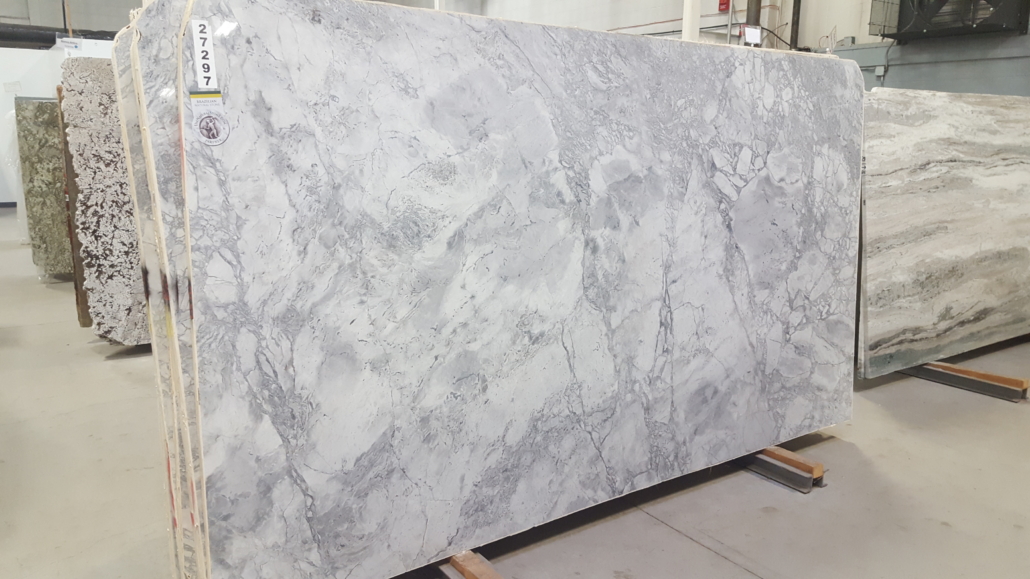
Free SampleWhite marble flooring is one of the finest choices as it is elegant and safe. Using white marble countertops for kitchens or installing marble for flooring serves as the best way to add to your home decor.
Marble Cleaner
To prevent your white marble flooring from turning yellowish, choose a marble cleaner that is harmless and toxic free. The market offers a deluge of detrimental commercial products that you should be aware of. You should know the procedure of how to clean yellowed marble countertops with cleaners comprising of safe components. After all, marble worktop are prized investments and so efforts should be taken to keep it looking healthy and shining.
Why White Marble Flooring or Countertops Turn Yellow
Marble flooring or countertops tend to turn yellow and fade with time if proper marble maintenance is not done. The following reasons show why white marble flooring or worktops discolour gradually.
- Inadequate maintenance- Time robs the beauty of marble since the stone slowly wears out and becomes scratched. The use of improper marble cleaners has hostile effects on the stone, forcing dirt to accumulate in the pores. To add to the plight, if dirty mops are used for marble cleaning, it forces the material to wear out in appearance gradually.
- Iron stain- It is common to find iron deposits in marble tiles that begin to oxidize when coming in contact with household bleach and water. It should be known that many marble tiles have naturally occurring iron deposits.
- Coating or wax up build- Urethane, acrylic and wax marble coatings are not always specifically designed for the material. Over a period of time, when the coating becomes tender and dirt gets embedded in it, the stone turns yellow.
True that marble can stay pure white for a long period of time. However, time can slowly turn it yellow and completely brown in the worst case. As part of the repairing process, marble crystallization (also known as vitrification) helps in adding gloss and texture to the material.
Due to Iron Stain
A beautiful, white marble marks a fashion statement for your home or office. However, if not given adequate attention and proper maintenance, marble can turn yellow gradually that can tarnish the look of your home decor. Iron stain causes the stone to deteriorate in looks over the years. Other reasons, such as wear and tear, wax build up, improper cleaning contribute to the poor appearance.
Iron deposit is considered as one of the top culprits for marble becoming yellow. If you place a piece of iron out in the open air, you will see how it gradually accumulates rust and turns brownish. The process of oxidation initiates when iron comes in contact with water and air. The appearance of marble starts to worsen and discolor that has iron content in it.
Testing for an iron stain in the stone is, therefore, essential. If there is a flood and the marble floors or countertops are exposed to air and water persistently for a long time, check the iron content in water. Mix cleaning chemicals in water so that the iron will not stain. Nonetheless, you should be aware of certain cases when water may not have iron content but the marble tiles may have it. To exercise caution, send a sample of the tile to the laboratory for testing iron to deter iron stain later. Sometimes, checking for moisture is important because water content in marble tiles is a clear indication that soon the material may turn yellow with iron beginning to oxidize.
Iron stains, however, can be eliminated by mopping away water as accumulated in the marble tiles in order to prevent the iron from getting oxidized. In severe cases, the process of oxidation is difficult to reverse or stop. In emergency situations, marble replacement is required to welcome a fresh, new look to the interiors.
Iron stain remover process
There are several safe formulated chemicals that help to remove iron stains. A mixture of Sodium Metabisulfite and Sodium Hydro sulfite with water works fruitfully against fighting the stains. Apply the iron stain remover solution to the tiles and allow it to soak for many hours. Make sure you pour sufficient solution to prevent it from drying. Then, rinse off the excess solution by using a wet vacuum. Use a chelating agent, called EDTA, when rinsing the marble with water.
Another fruitful way to combat iron staining is preparing an iron stain remover (or poultice) with Iron Out and diatomaceous earth. After applying the poultice mixture on the affected area, cover it with a plastic wrap and leave it for 24 hours. When cleaning, remove the plastic and eliminate the poultice paste. Use a mixture of chelating agent and water to rinse off the solution. There are fifty-fifty chances that the stain may get eliminated. If not, you have to consider a marble replacement.
Another recently added chemical on the market radar is a solution of Ammonium Thioglycolate that is useful for removing iron oxidation. Needless to say, the right way to take care of iron stains is to use good quality penetrating sealers to stop oxidation of iron by completely removing moisture.
Improper Marble Floor Maintenance
“Tajmahal is turning yellow due to air pollution, oxidation of taj mahal marble constituents, environmental neglect”
Years of inadequate marble care or improper marble floor maintenance causes the marble to wear. The gradually wear forces the polished surface to turn rough and become a den for dirt accumulation. Using improper cleaners aggravate the situation, forcing dirt to get accumulated in the pores and turning the stone yellowish. If dirty mops are used on a regular basis, it can turn the matter worse. Therefore, proper marble maintenance is ensured by using a clean mop every day. Be sure that you rinse the floor with a safe formulated chemical to retain its shiny armour. Call a professional, if required, to preserve the beauty of marble surfaces adequately.
Marble Care: Marble Floor Cleaner to Clean Marble
The effective way to get rid of stubborn and unwanted grime or dust is to use a marble cleaner that is safely manufactured with natural chemical and designed specifically for marble flooring or countertops.
Using unsafe household cleaners having harsh acids and alkali that can cause etching on the marble floors. Try to clean up spills immediately to avoid stains from occurring. Always, use coasters and trivets when placing hot pans on the surface. Placing mats and runners on marble floors helps in preserving the glazing looks of marble. Using marble sealers is a great way of preventing stains.
To be on the safe side, call up a professional who is aware of the maintenance chores and marble care tips to suggest you. Also, having your marble floors cleaned with the best-formulated chemicals ensure the protection of the prized material for years to come. Daily cleaning and mopping is the right way to take adequate care of the material.
Coating or Wax Buildup
Most of the marble floor slabs or tiles sold in the market have coats of acrylics, urethane and waxes. The abominable truth is that these coats are not formulated according to specific marble compositions. Over a period of time, the coats become soft and wax build up. Also, grime tends to percolate the pores and soft layers in it. This slowly forces the stone to turn yellow or gradually look dull. The solution is to use strippers that have abrasive pads for cleaning off the stubborn dirt on a coating. The job should be best left in the hand of professionals who are aware of the right techniques.
Crystallisation: What is Crystallization?
Crystallization is a viable way to polish a marble stone to restore its glow. However, the presence of moisture in the material can have a reverse effect. The process of crystallization can typically force the stone to turn yellow since water particles are present in it that bring unfavourable stains. The situation is, however, combated by using a powder marble polish or by using a honed stone.
Cure for Recrystallization:
Recrystallization (also known as crystallization) is a process of polishing marble floors. However, moisture-laden marble tiles will turn yellow with this process. If, however, the floors have undergone recrystallization procedure, it is important to eliminate the recrystallized layer. A kind of powder marble polish containing oxalic acid is applied on the stained areas and a standard buffing machine along with a hog hair pad is used to work up lather until the yellow disappears. It is suggested that the technique is performed by trained people for achieving fruitful results. Please note that marble should be kept dry before applying this procedure.
Conclusion:
While white marble flooring has its ethereal beauty and the charm to transform any drab look interior into an exotic picture, it has its own disadvantages too. Marble has the tendency to become yellowish (For this you can see tajmahal outer surface turning yellow) that typically indicates the importance of adequate marble maintenance with the right marble cleaner persistently over the years. Understanding the core reasons why the stone fades or discolours due to iron stain or recrystallization can help you find a rational solution. There are several procedures to take care of the matter with daily routine care and effective house cleaning products. However, only trained professionals are aware of rightful techniques.


Leave a Reply
Want to join the discussion?Feel free to contribute!