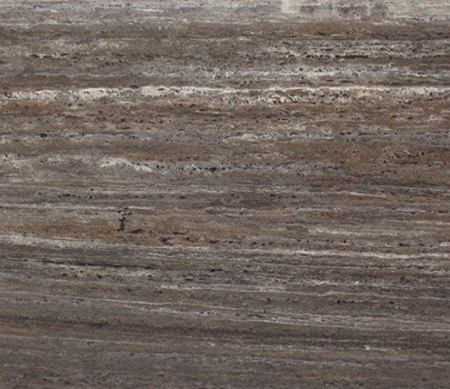
Italian and European travertine worktops at Koliqi Marble, a warm, timeless surface with a history stretching back to ancient Rome. Filled and unfilled. Polished and honed. Free samples.
Travertine is one of those materials that’s been in continuous use for so long it barely needs introduction. The Colosseum is made of it. So is much of ancient Rome. That’s not to say it feels dated, quite the opposite. In the right setting it looks effortlessly current. But it does carry a sense of permanence and weight that newer materials simply don’t have.
It forms around hot springs and mineral-rich water sources, which is what gives it that characteristic honeycomb structure, a network of natural voids and channels that creates a texture unlike anything else. Depending on how it’s finished, those voids can be filled (for a smoother, more refined surface) or left open (for a more rustic, authentically aged character). Both approaches work well; it’s really a question of what suits the rest of the kitchen.
Where It Fits
Travertine finds its most natural home in Mediterranean-inspired kitchens, rustic settings, Tuscan-style interiors, and anywhere that’s leaning into natural materials, timber, stone, linen, aged metals. Its tonal range runs from ivory and cream through silver-grey to warm gold and walnut. All of those colours sit easily alongside painted or natural wood cabinets, and none of them fight for attention in the way a heavily veined marble might.
Tones: ivory, cream, silver, gold, and walnut, warm rather than cool
Texture: available filled (smooth) or unfilled (open, rustic), a genuinely distinctive choice
Heat resistance: handles everyday kitchen temperatures well
Indoor/outdoor: suitable for both applications with appropriate finishing
Finishes: polished, honed, aged, or flamed
Maintenance
Travertine is porous and needs sealing on installation. It’s sensitive to acidic substances, the usual suspects in a kitchen: lemon juice, vinegar, wine, citrus-based cleaners. Use pH-neutral products only, wipe spills as they happen rather than leaving them to soak, and reseal annually. Honed finishes can be re-polished if they dull over time.
Get a Sample or Quote
Request a free sample to get the travertine into your kitchen and see how it sits under your specific light. When you’re ready to move forward, our team will walk you through varieties, finishes, and the full templating and fitting process.
- Display 15 Products per page